
Did you know that assistive technologies play an important role in improving the lives of wheelchair users? They’re like superpowers and help to increase a person’s independence, mobility and participation in everyday activities making life so much easier and more enjoyable!
Without these amazing products, traditional activities like going to work, school, or playing sports can be really tough for people with disabilities and that’s why it’s so important to raise awareness about assistive devices and show everyone just how life-changing they can be for people with a physical disability.
In this post, we will give you an overview of the various types of assistive devices available for wheelchair users as well as their benefits and any considerations to think about when selecting the right technology.
Types of assistive technology
The term ‘assistive technology’ refers to a variety of devices and mobility aids that can make life easier for people with disabilities. These assistive devices can be classified into various categories based on their functional capabilities.
Mobility devices – this includes wheelchairs, scooters and walkers that aid individuals with mobility issues to move around independently.
Common assistive technology – this includes devices like speech-generating software, text-to-text speech systems, and communication boards that enable people with communication difficulties to express themselves more effectively.
There are also assistive technologies that help with everyday tasks such as kitchen tools, adapted utensils, and smart home systems. Sensory aids like hearing aids, vision aids and tactile displays are also considered assistive technology as they can help people with sensory impairments to interact with the world around them more effectively.
Common types of assistive technology
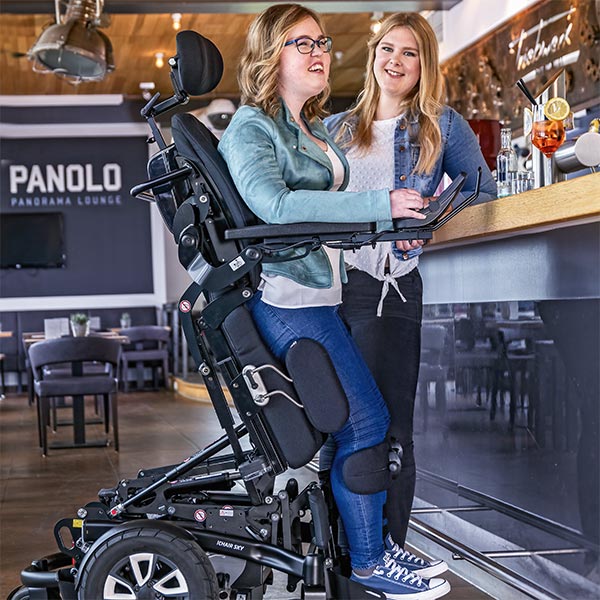
Power wheelchairs
Power wheelchairs have an electric motor and battery that makes them move forward. These nifty bits of kit are perfect for individuals with limited upper body strength, or overall mobility, and who can’t use a manual wheelchair. Power wheelchairs come in all sorts of shapes and sizes so that the individual can choose which one is right for them.
Smart home technologies
Smart home technologies are great for wheelchair users. They use sensors and devices to automate and control different parts of the home such as lighting, heating and security. For wheelchair users, these technologies are a real game-changer and can be used to help increase accessibility and independence.
Environmental control units (ecus)
Environmental Control Units (ECUs) are like magic wands for people with disabilities. These devices give individuals the power to control their environment with a few simple clicks or voice commands.
With an ECU, people with limited mobility can adjust the temperature, turn the lights on and off, open and close doors and even control their TV or stereo. The great thing about them is that they can be customised to suit the specific needs of each user with options such as touchscreens, joystick control, and voice recognition software and they help to give independence to wheelchair users.
Augmentative and alternative communication (aac) devices
These devices are specially designed to help individuals who have trouble speaking, whether due to a medical condition or injury. With an AAC device, individuals can communicate with others using symbols, pictures or text, depending on their needs.
AAC devices can be customised to suit the unique needs of each individual, with options such as touchscreens, eye-tracking computer systems, and even brain-computer interfaces.
PROSTHETICs and orthotics
Prosthetics are artificial limbs that replace a missing limb, while orthotics are devices that support or correct the function of a limb. These devices can improve mobility and function for individuals with limb loss or impairment.
Home modifications
Home modifications involve making changes to the home environment to improve accessibility and safety for individuals with disabilities. This includes installing ramps, widening doorways, and modifying bathrooms to accommodate wheelchair use.
Benefits of Assistive Technologies for Wheelchair Users
New technologies have revolutionised the lives of individuals with disabilities, giving them more independence and overcome barriers to participate fully in everyday activities.
The benefits of assistive products for wheelchair users are vast and varied, from allowing people to live independently to improving their overall quality of life.
Below we’ll look explore some of the key benefits of assistive devices and how they can transform the way they navigate the world.
Improved mobility
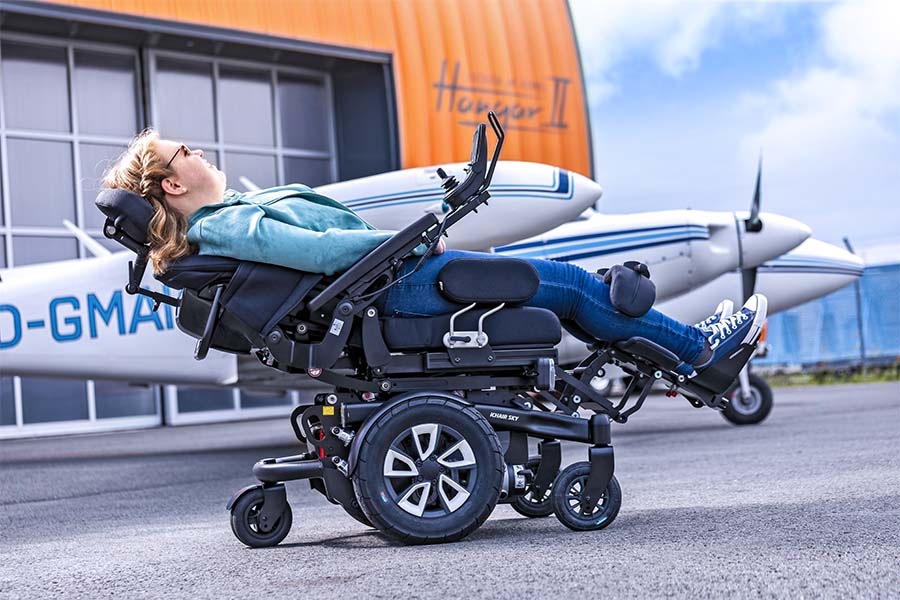
Adaptive technologies can help wheelchair users move more easily and efficiently. For example, power wheelchairs can provide greater independence and freedom of movement for individuals who have limited upper body strength.
Increased safety
Some adaptive technologies can help improve safety for wheelchair users. For example, anti-tip devices can prevent a wheelchair from tipping over, while automatic braking systems can help prevent accidents by stopping the wheelchair if the user loses control.
Enhanced communication
Adaptive technologies can help wheelchair users communicate more effectively. For example, speech-to-text software can allow users to speak and have their words transcribed on a computer or other device.
Improved access to technology
Adaptive technologies can help make technology more accessible for wheelchair users. For example, voice recognition software and alternative input devices can allow users to access computers and other electronic devices without using their hands.
Increased independence
Increased independence: By providing greater mobility, safety, communication, and access to technology, adaptive technologies can help wheelchair users become more independent and self-sufficient. This can improve their overall quality of life and increase their participation in daily activities.